
How to Print Miniatures on an FDM Printer
If FDM is the printer you have and you want to print miniatures, the trick is to print them like resin. Tilted, tree supported, fine layer heights.
Articles
Start with setup, avoid the most common beginner mistakes, and build a cleaner workflow from day one.
If FDM is the printer you have and you want to print miniatures, the trick is to print them like resin. Tilted, tree supported, fine layer heights.
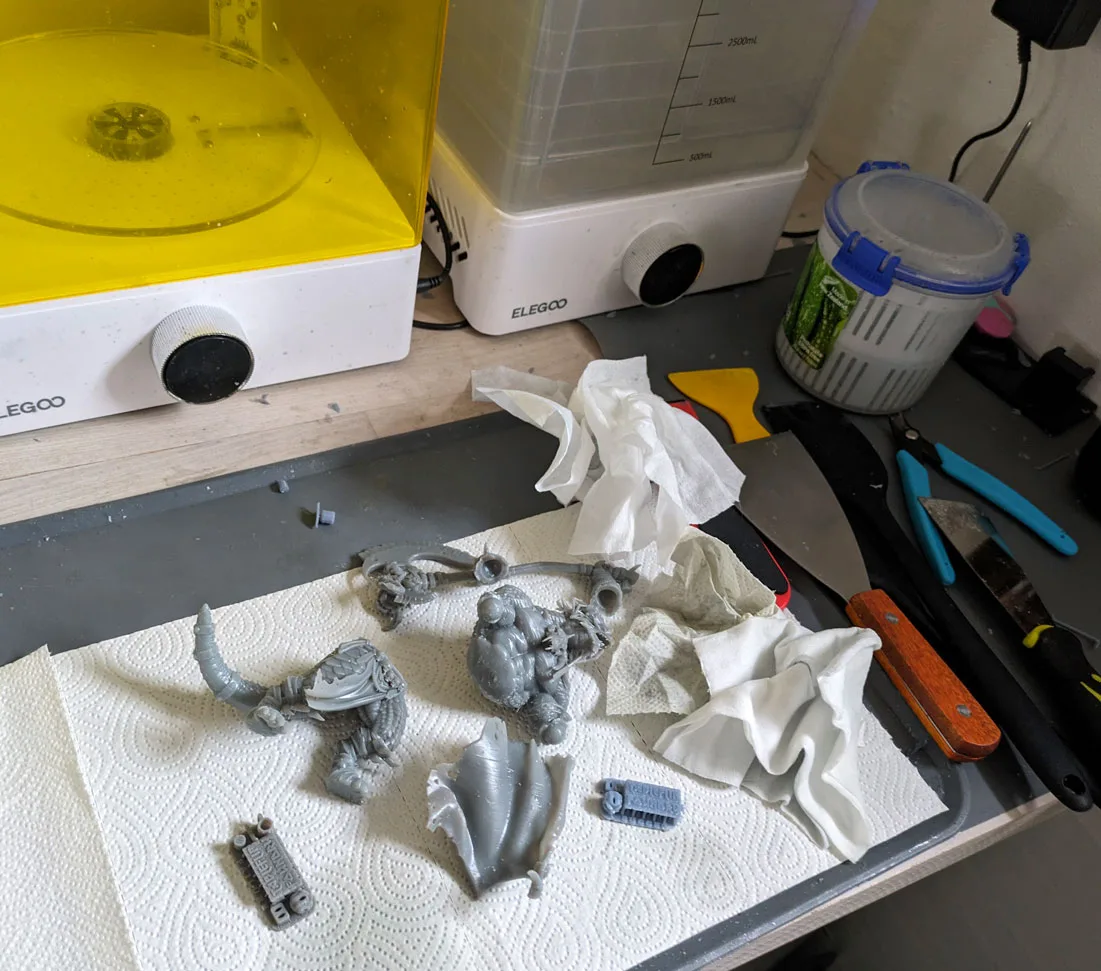
Ten lessons from resin printing miniatures: workspace, temperature, hidden costs, the indie scene, and the mindset shift that surprises everyone.
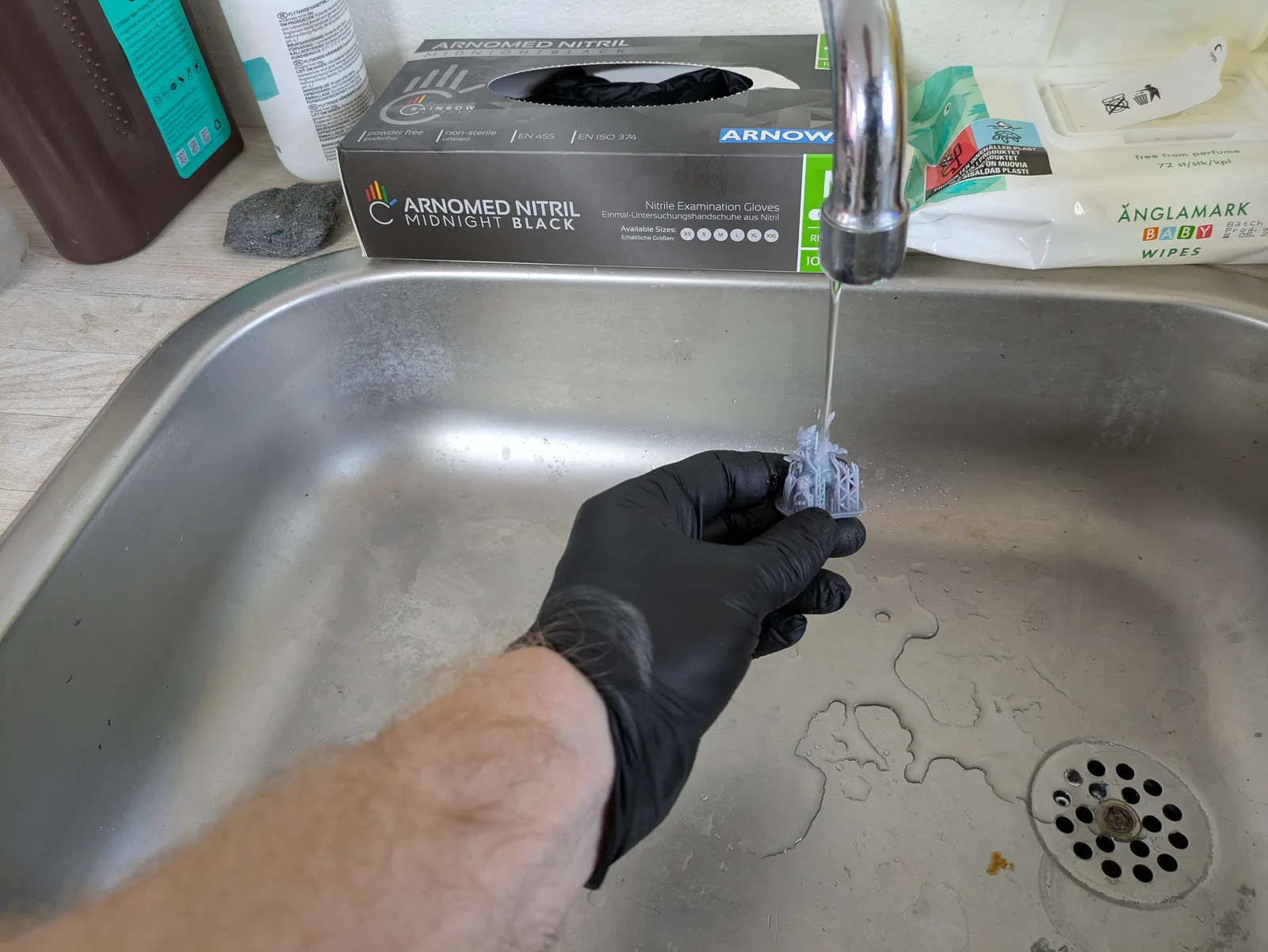
Water washable resin used to be a beginner trap. In 2026 the better ABS-Like water washables make it the easiest place for a new resin printer to start.
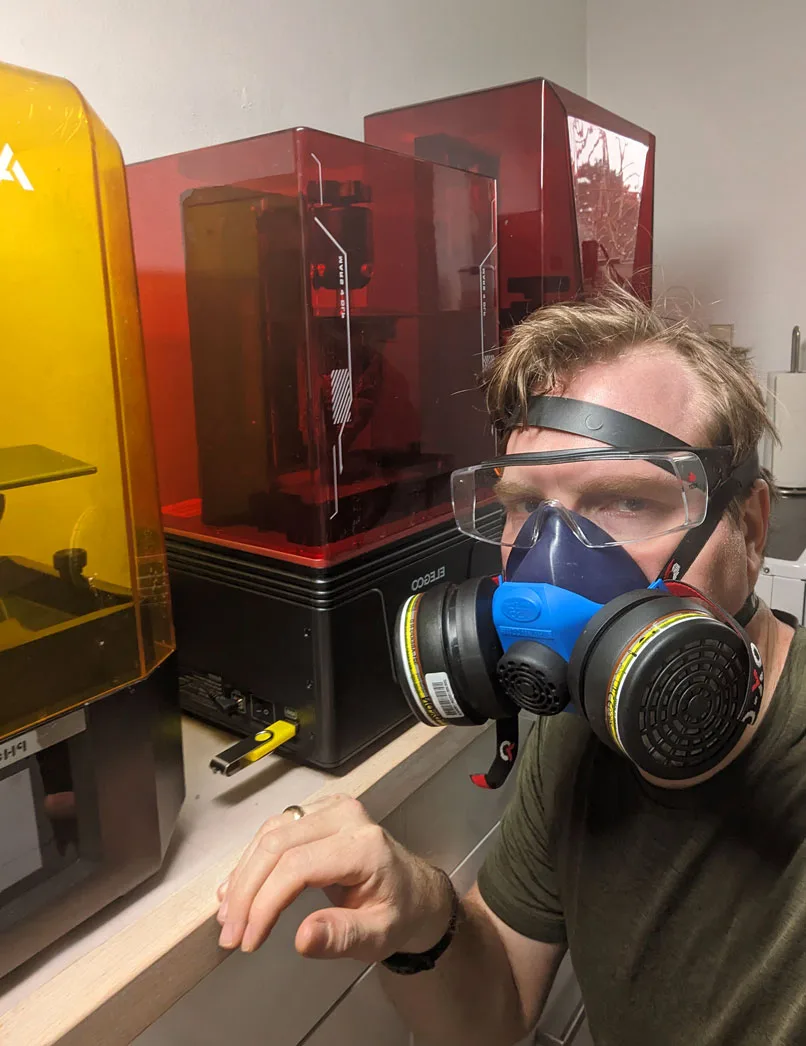
Six contrarian opinions about resin printing in 2026, the ones you will not find on the usual beginner pages. Honest, slightly uncomfortable, and all true.
The gear and workflow I would pick for a first resin printer in 2026, with hindsight, not the recycled beginner shopping list.
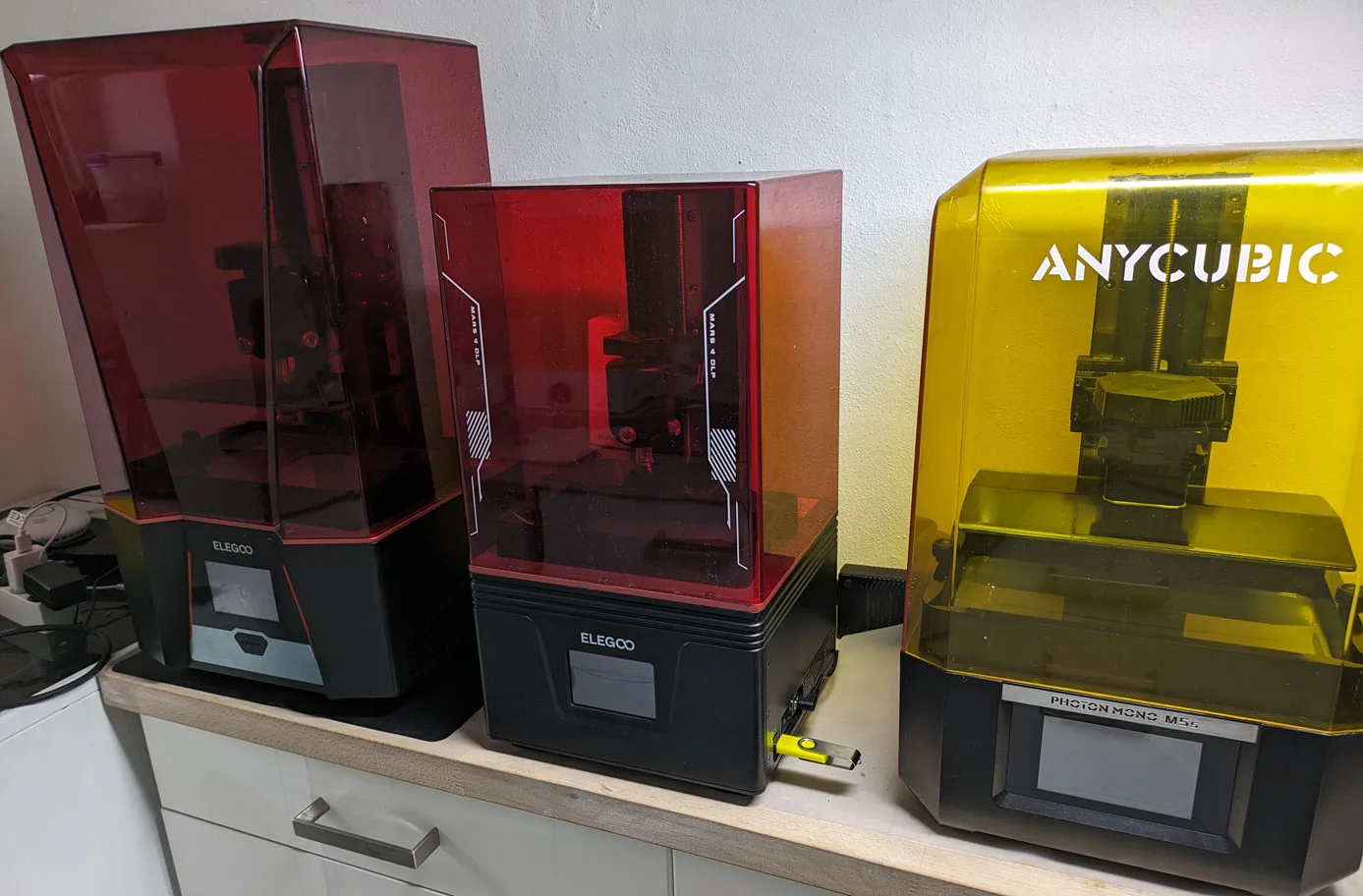
How to pick a resin 3D printer in 2026. What actually matters, what is marketing noise, and how to match a printer to your real use case and budget.
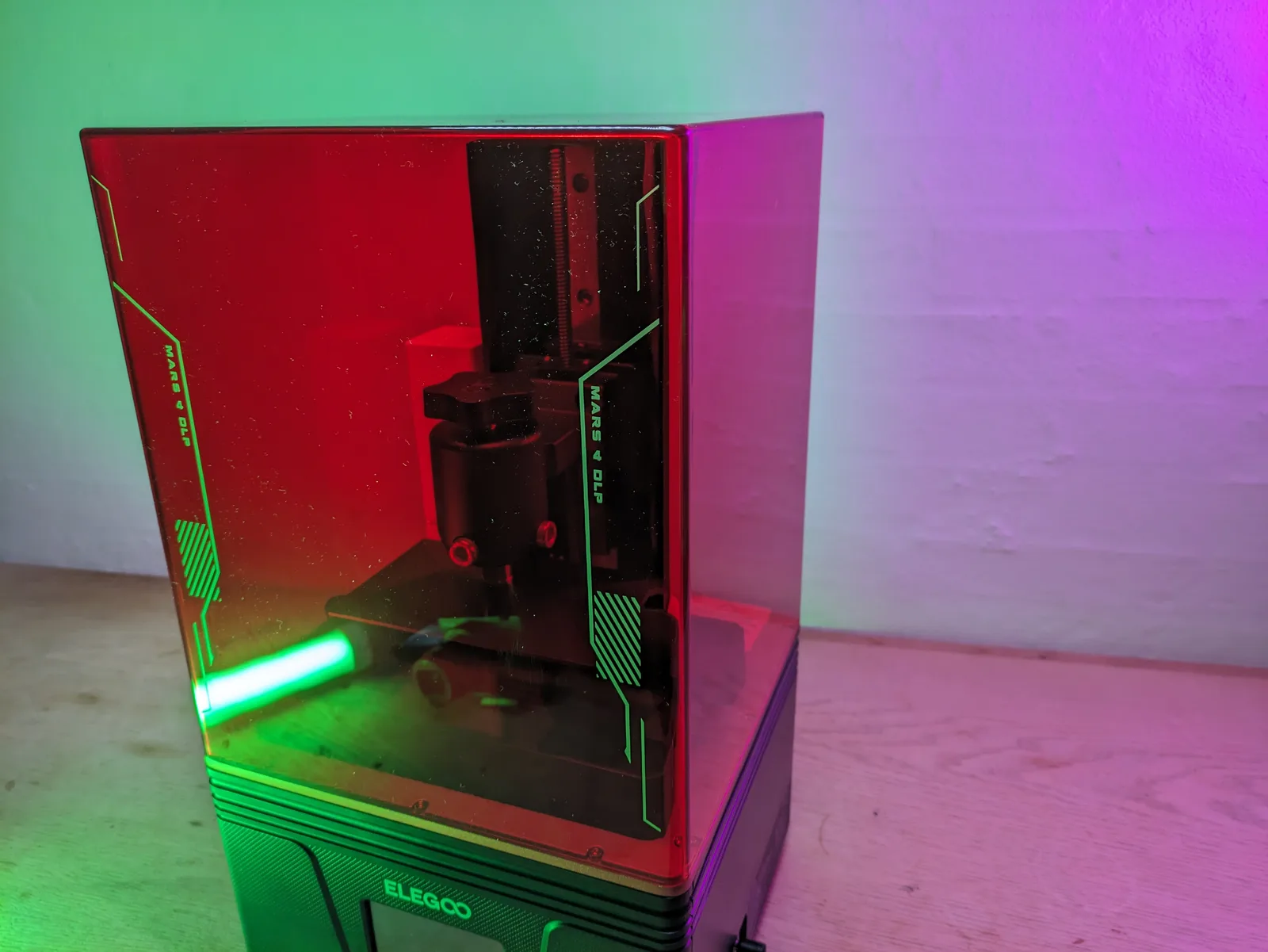
Consumer resin printers hit a genuine quality and price sweet spot in 2026. Here is what changed, what it means for hobbyists, and which printers to buy now.
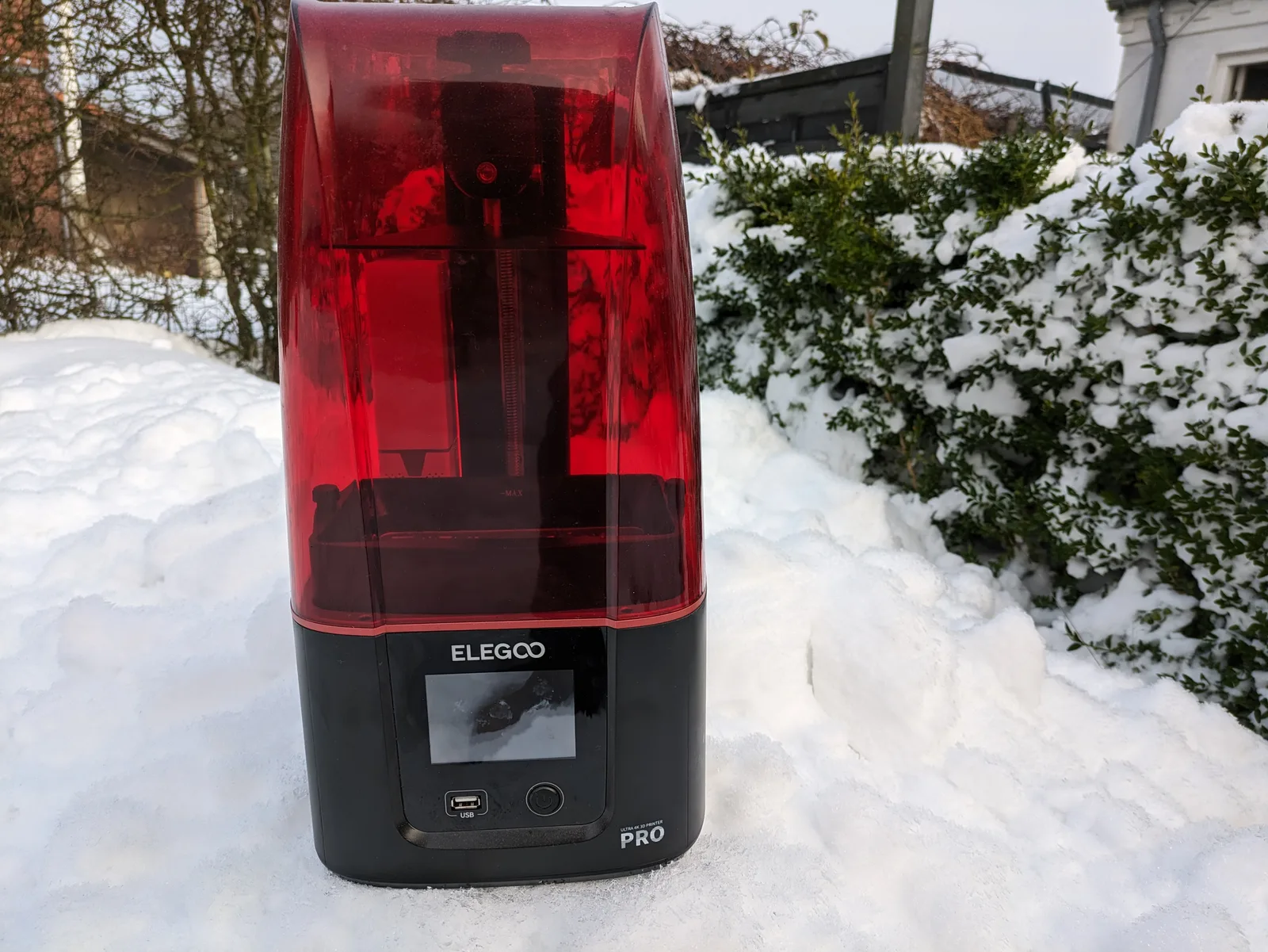
Which older resin 3D printers are worth buying used in 2026, which ones are not, and what to check before handing over money for a second hand machine.
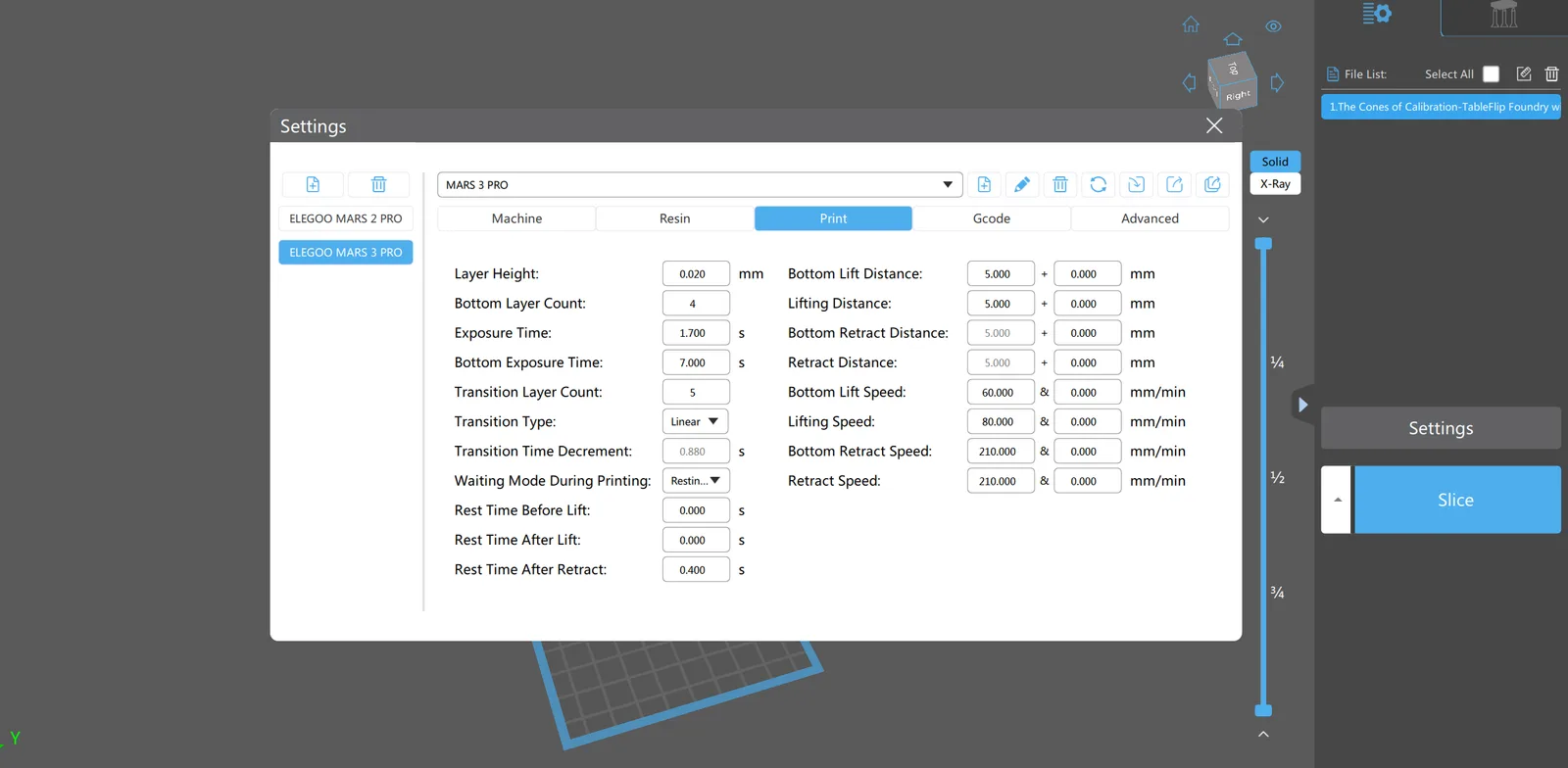
Lychee Free is the best starting point for miniatures. Chitubox is the dominant alternative, manufacturer slicers range from competent to hostile.
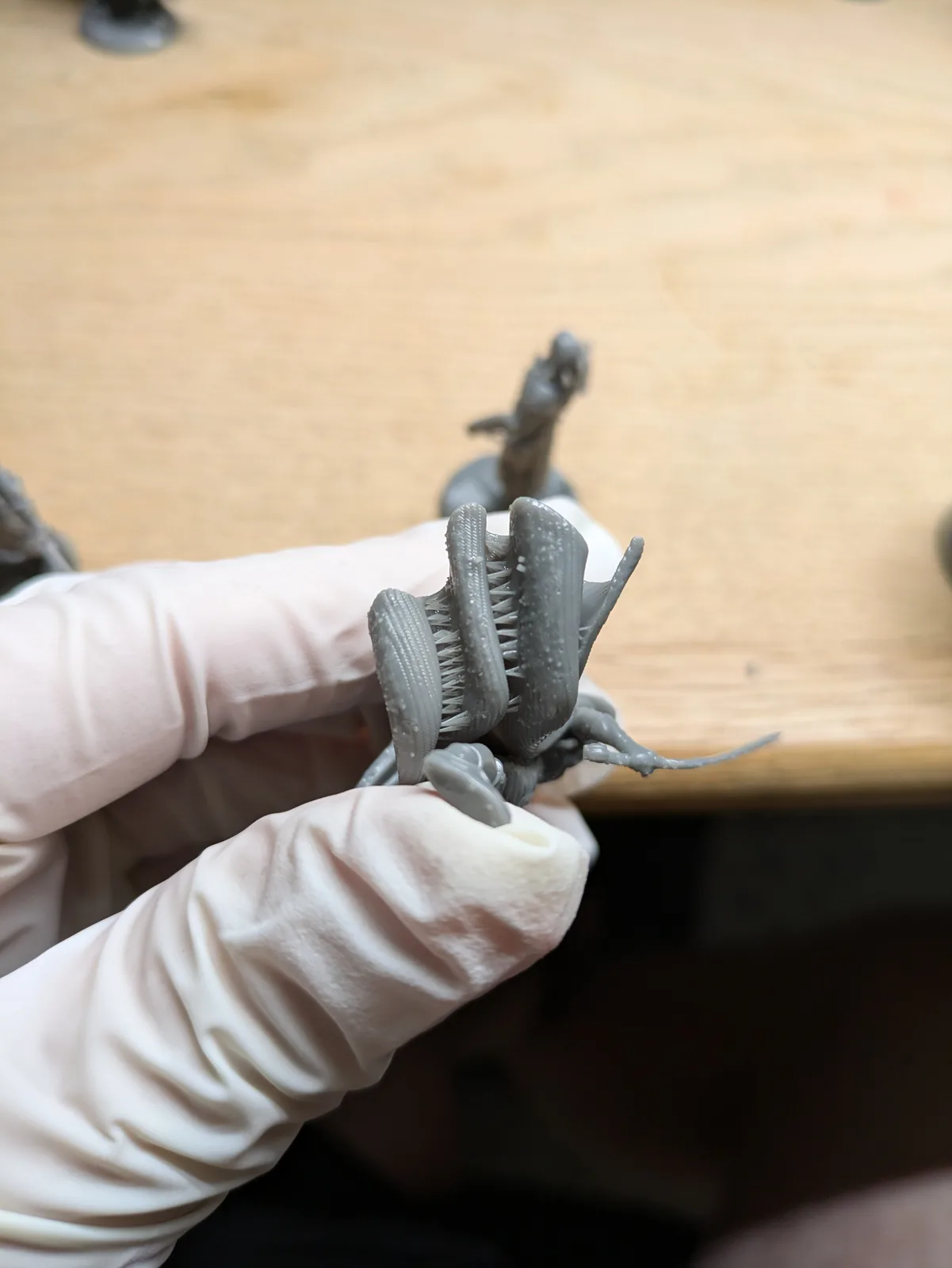
A systematic approach to figuring out what went wrong after a resin print fails, with common failure patterns matched to their most likely causes.
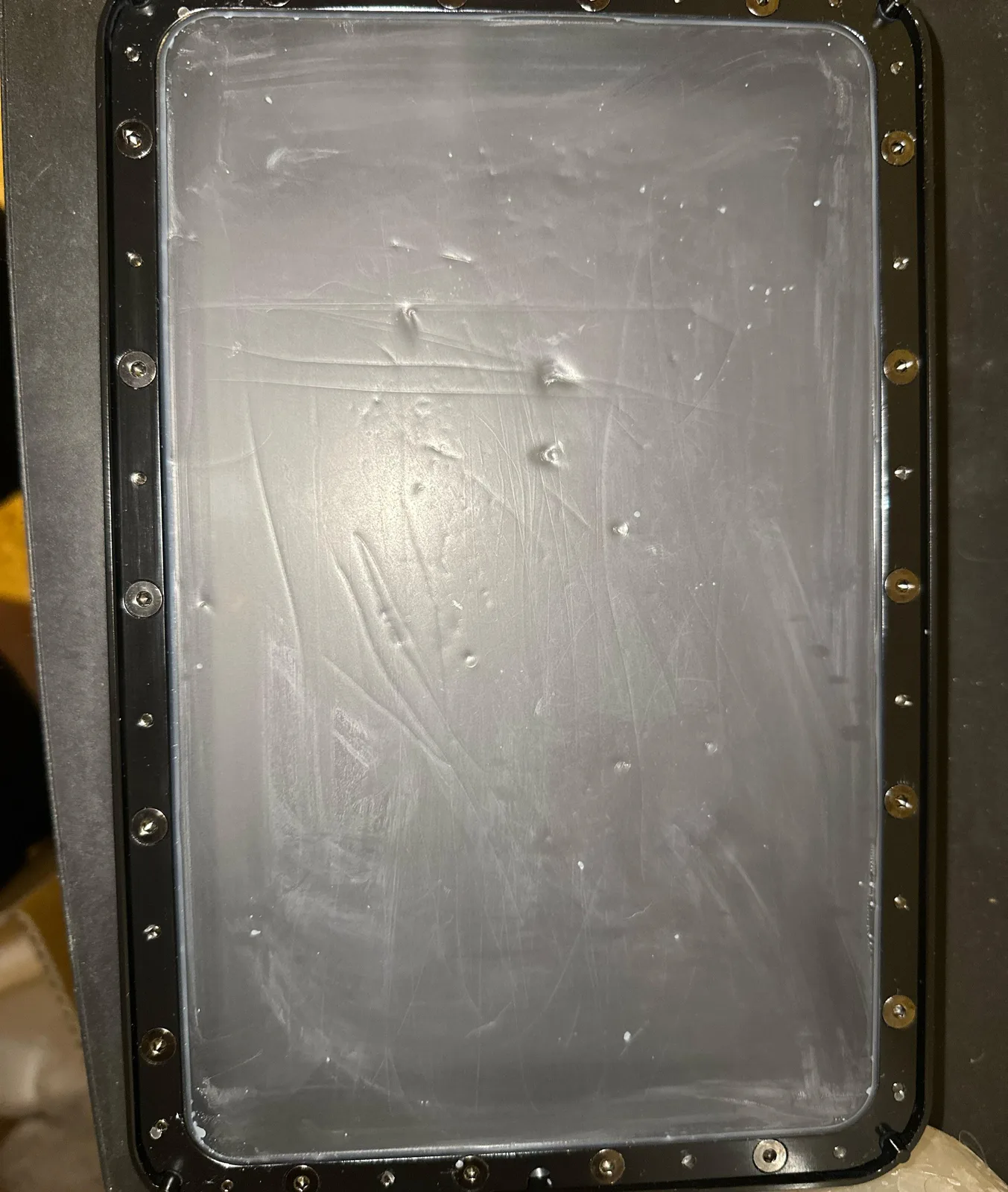
How to replace the FEP film on a resin printer vat, why the tension theories online are not worth your time, and what to check after replacement.
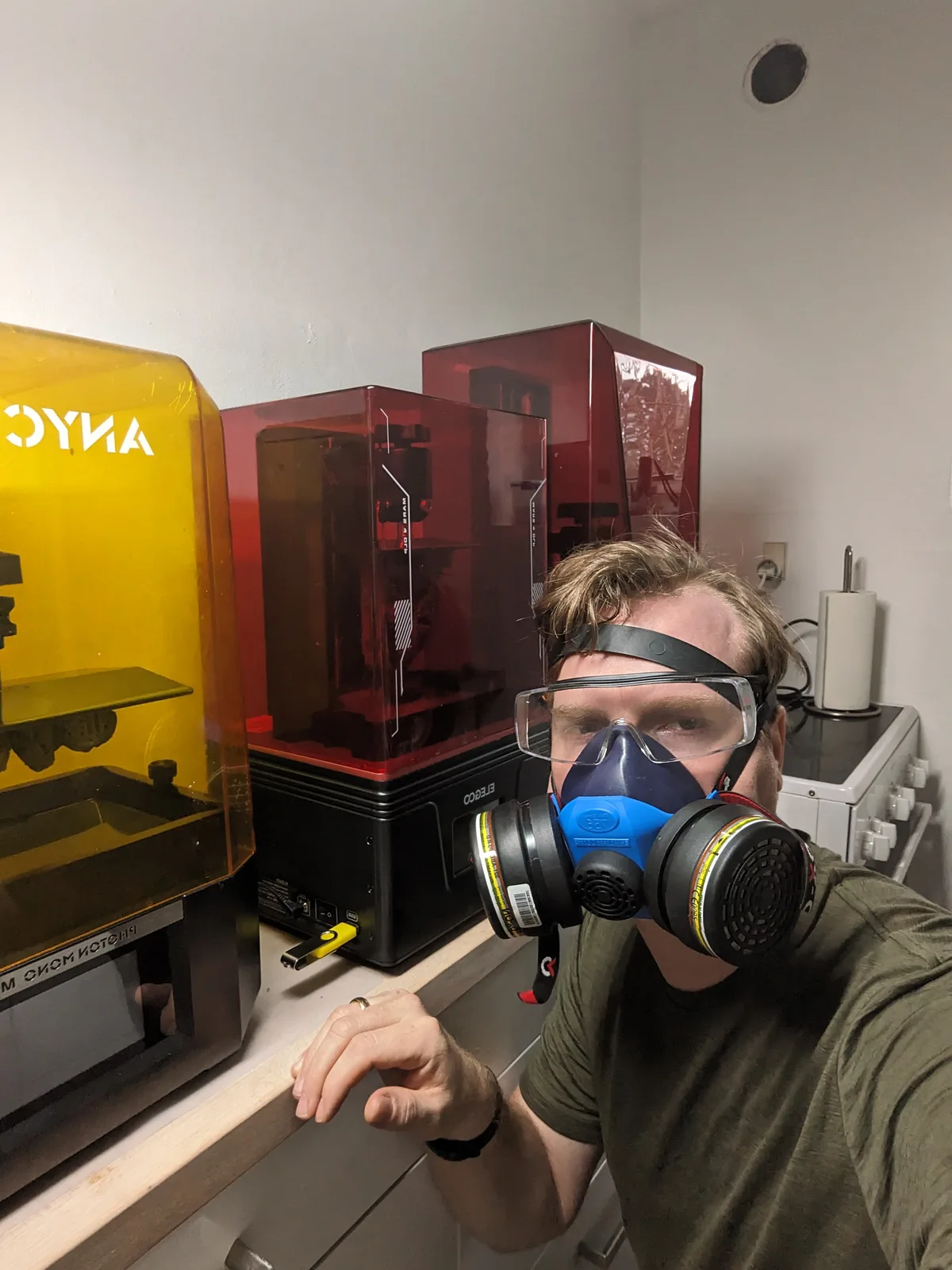
A practical guide to ventilation, respirators, and safe handling for home resin 3D printing, without the scare tactics or the overconfidence.
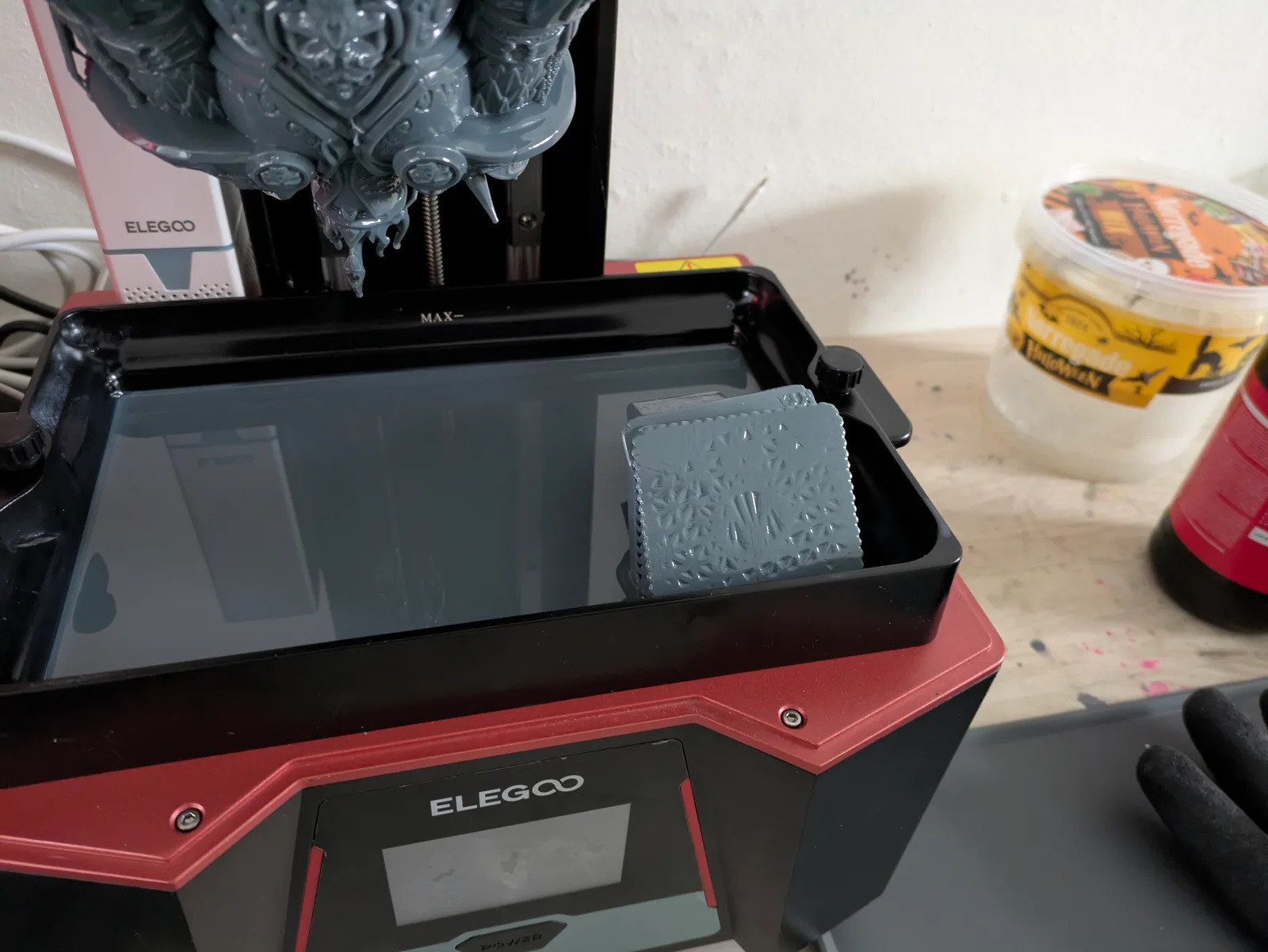
How to use Tank Clean after a minor failure, when to empty the vat, and how to handle the serious cases: a vat in midair, a FEP tear, resin on the screen.
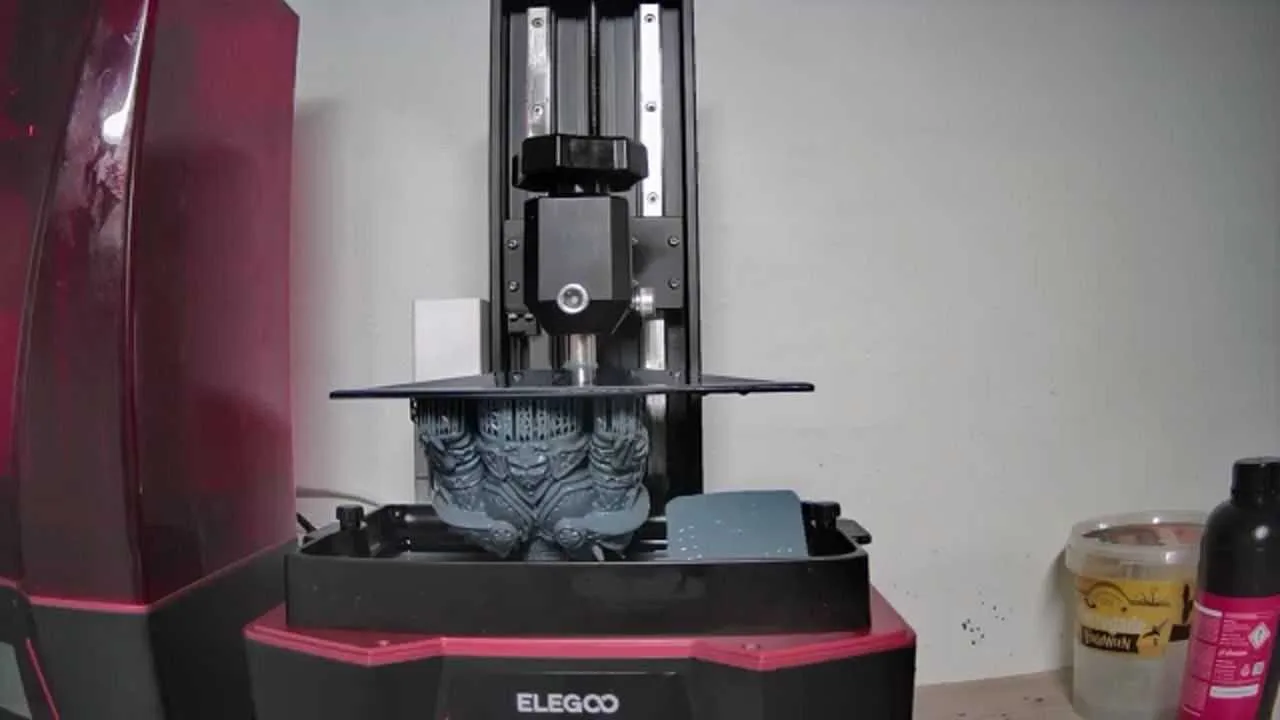
Settings adjustments for larger models, the drainage hole rule for hollow prints, and why water washable resin and hollow models do not mix.
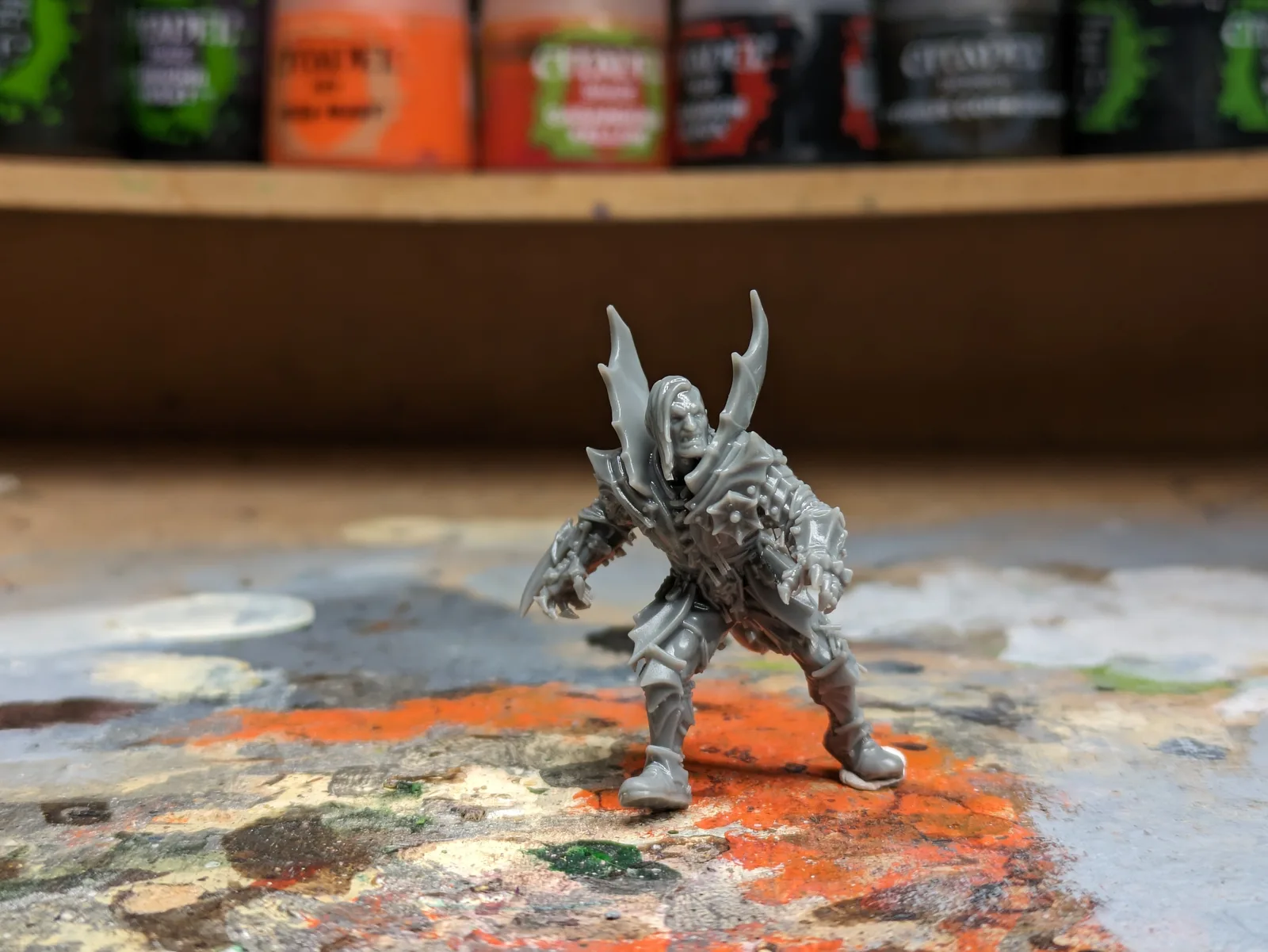
Calibration print done, machine working. Now what? A guide to indie creators, model categories, and side projects worth printing on a new resin printer.
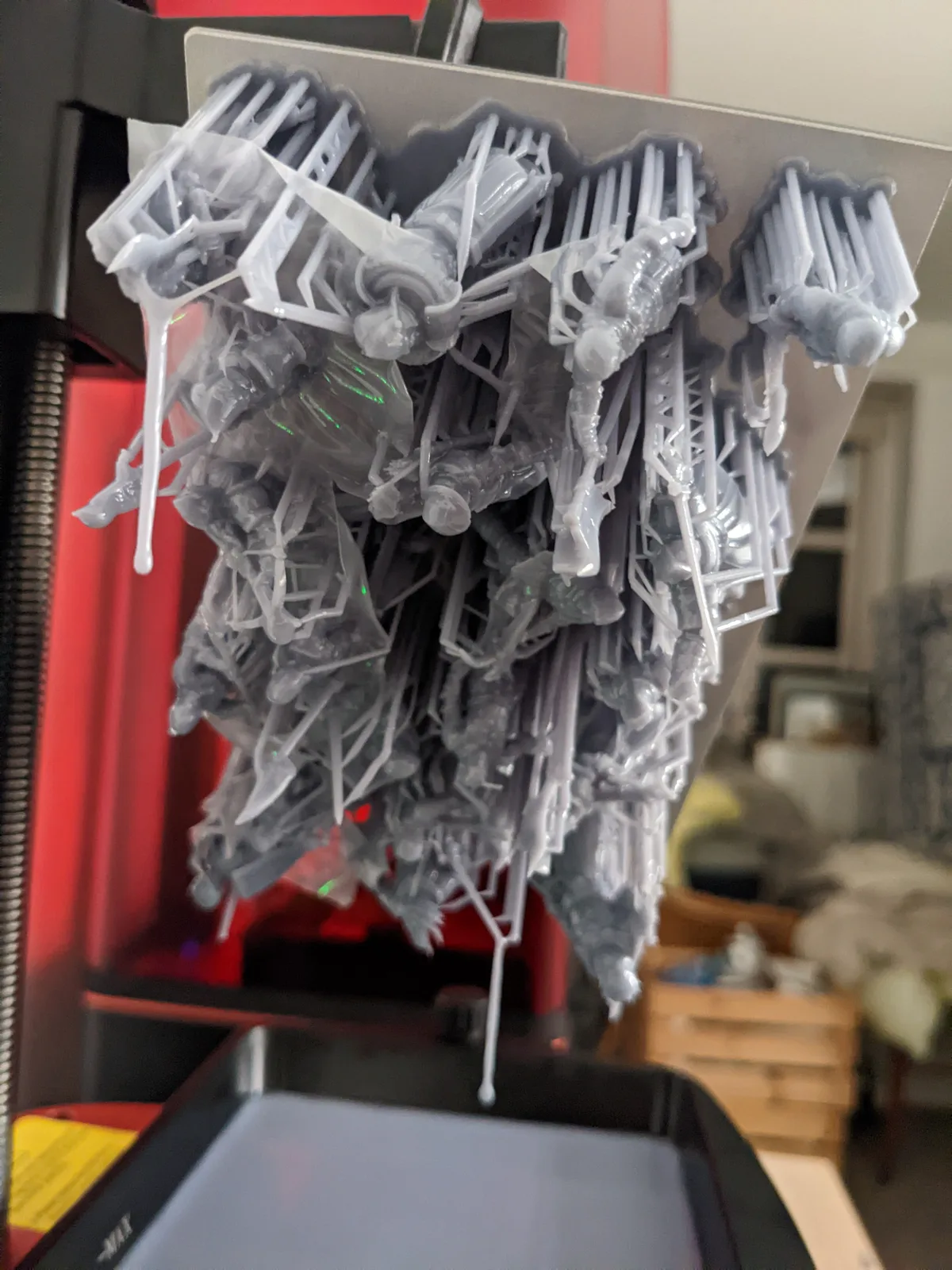
A simple post-processing workflow for resin miniatures, from washing and curing to support removal, cleanup, and paint-ready prep that primer actually grips.
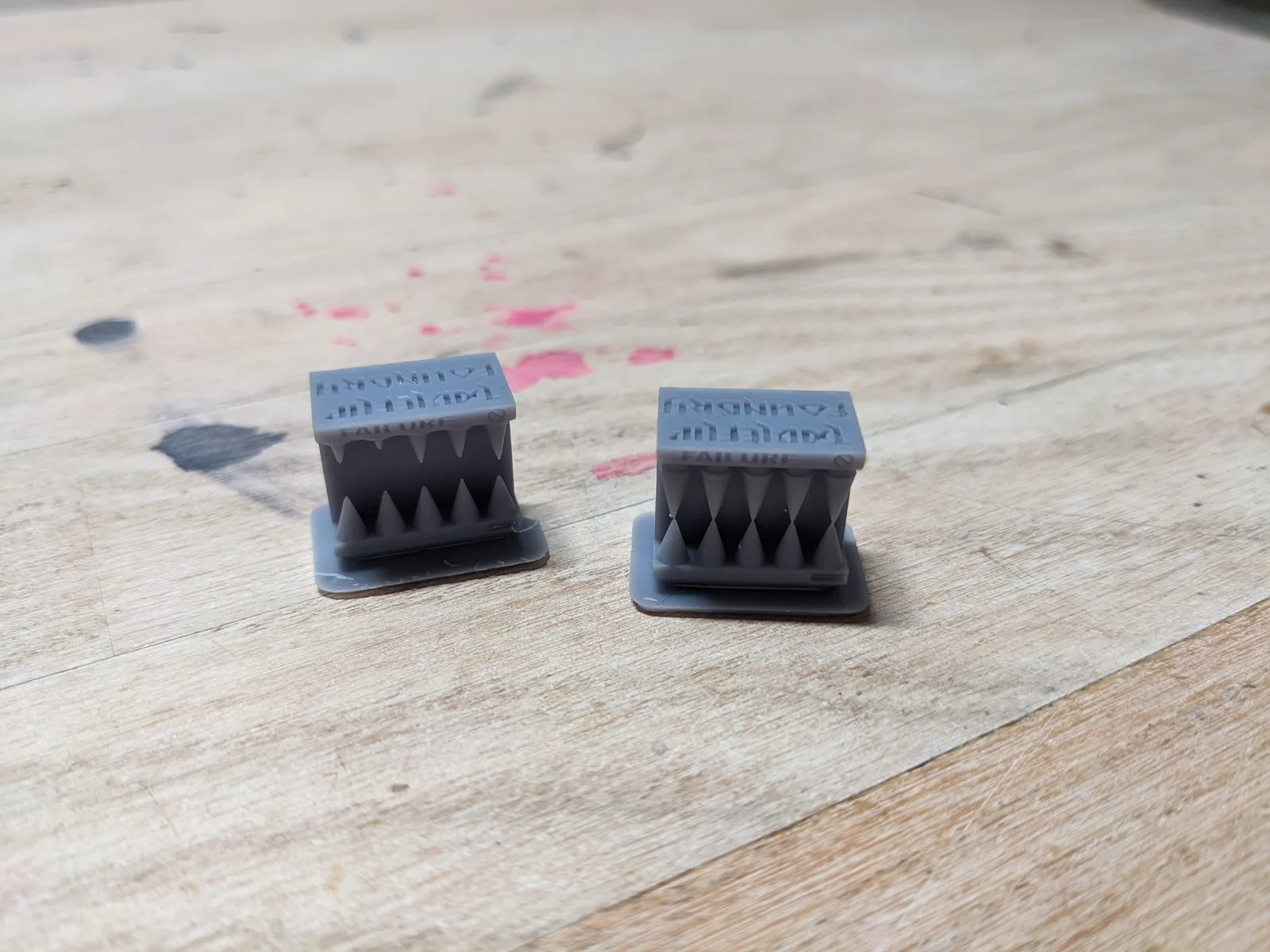
Why borrowing exposure settings from forums does not work, what actually needs calibrating, and which calibration tool to start with for minis.
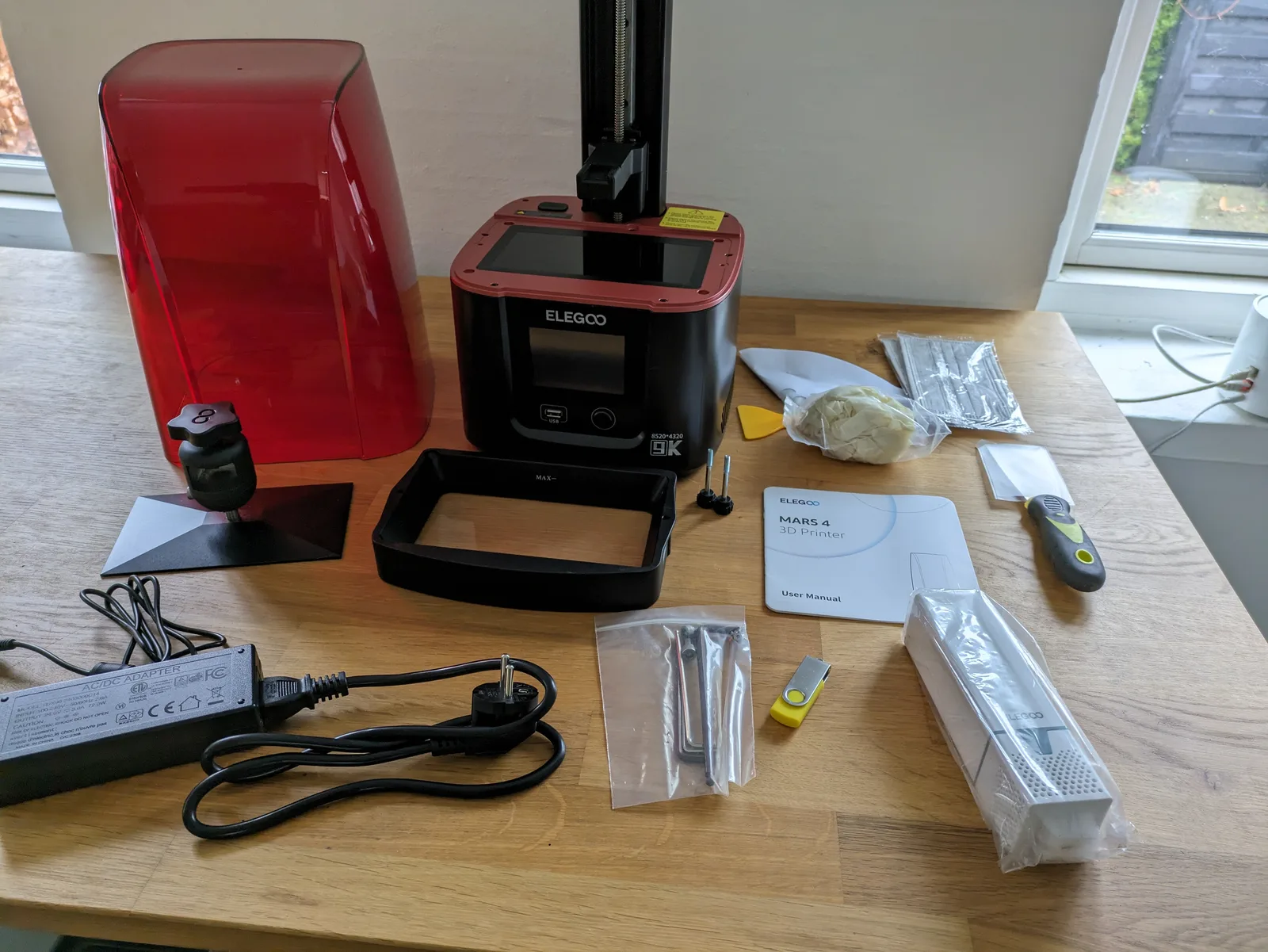
The unboxing inspection that catches faults while the return window is open, then the paper levelling method that gets your build plate set correctly.
The ten resin printing mistakes that catch almost every beginner: what each one looks like, why it happens, and the specific fix that stops it recurring.
CRISP stands for Consistent, Razor sharp, Improving, Safe, Painless. What each letter means in practice and why the order matters for reliable results.
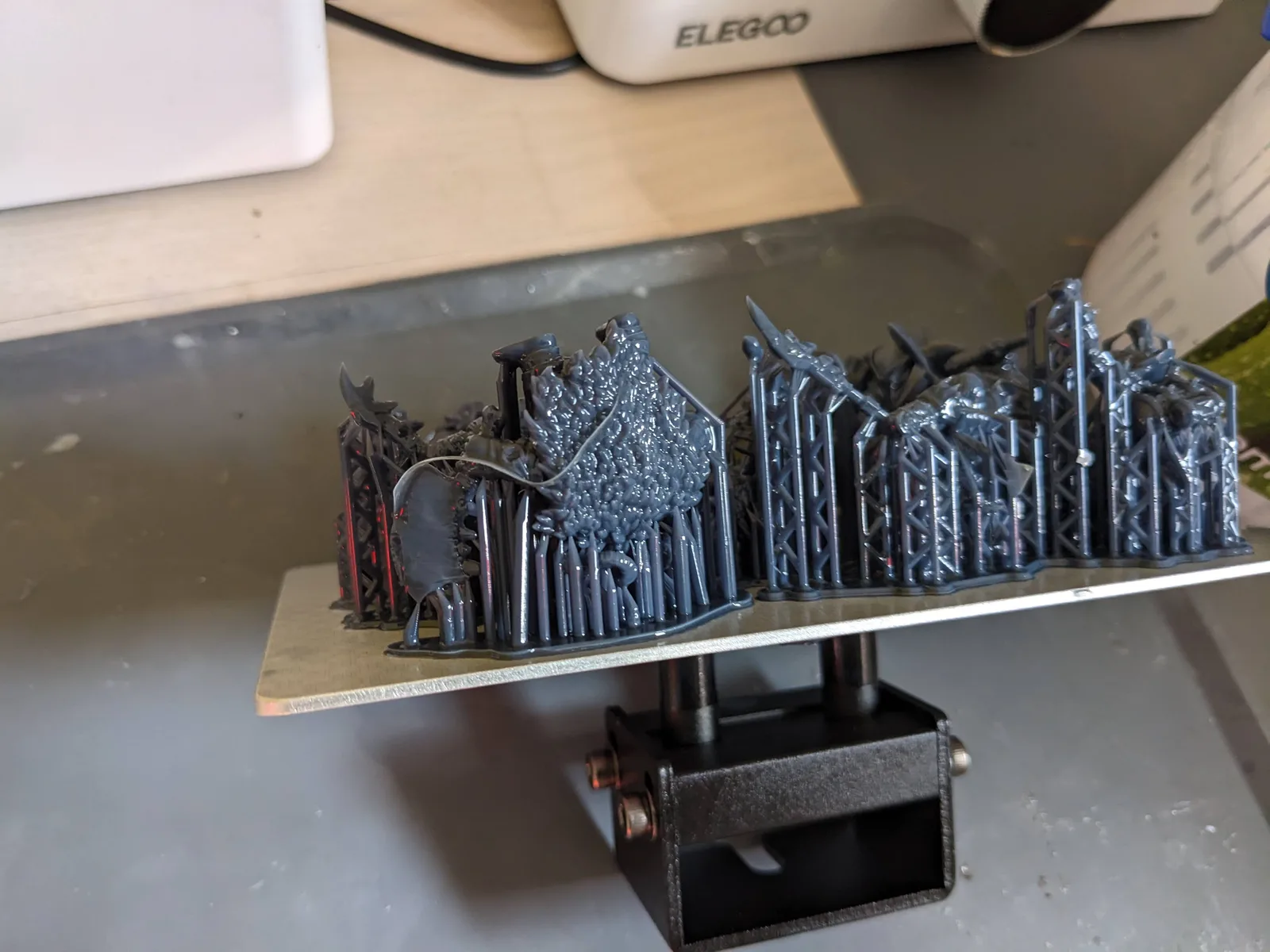
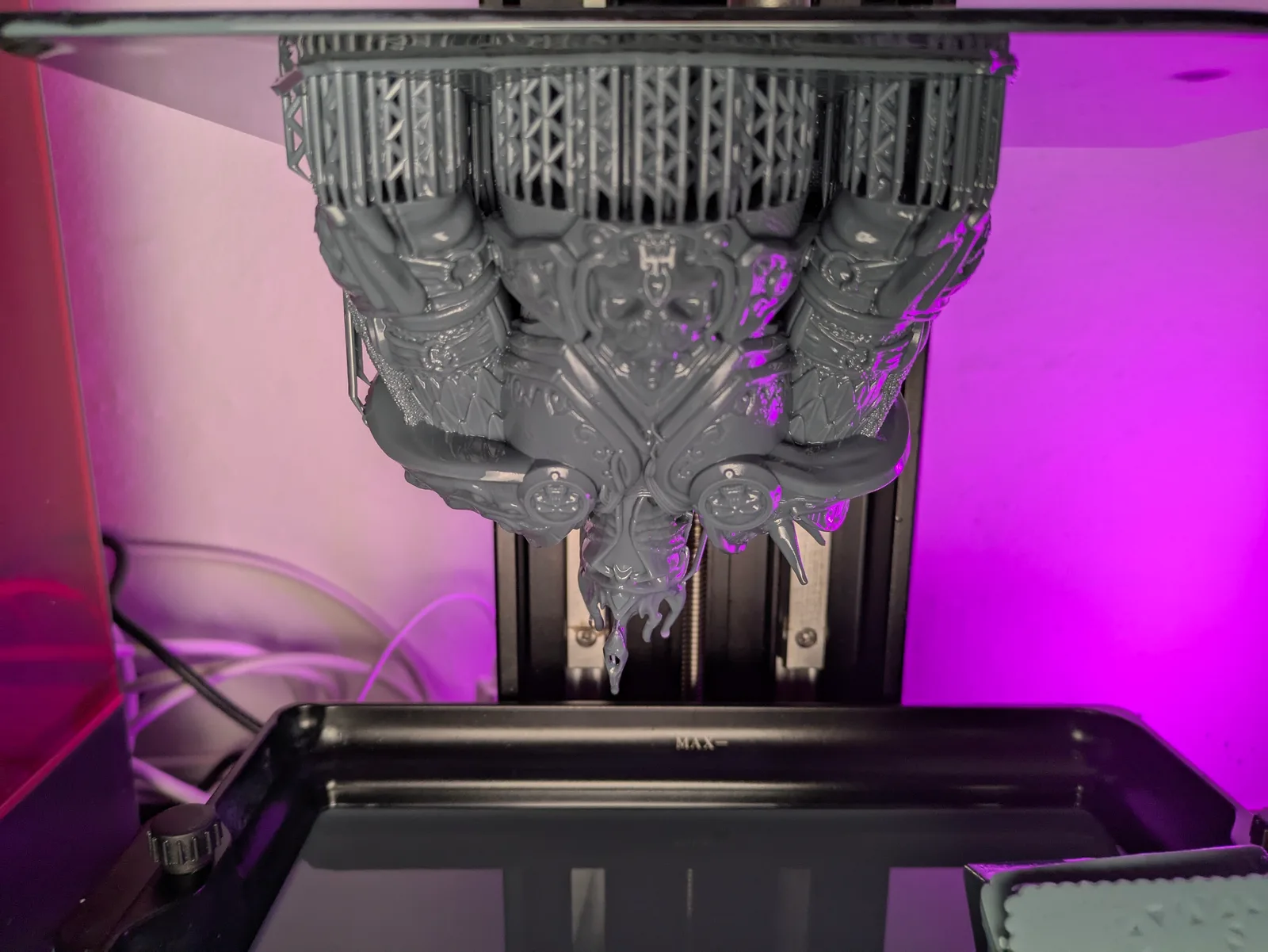
Everything a miniature hobbyist needs to start resin printing well: the right gear, safe setup, and the mistakes that waste most people's first month.